



What is Remote Patient Monitoring?
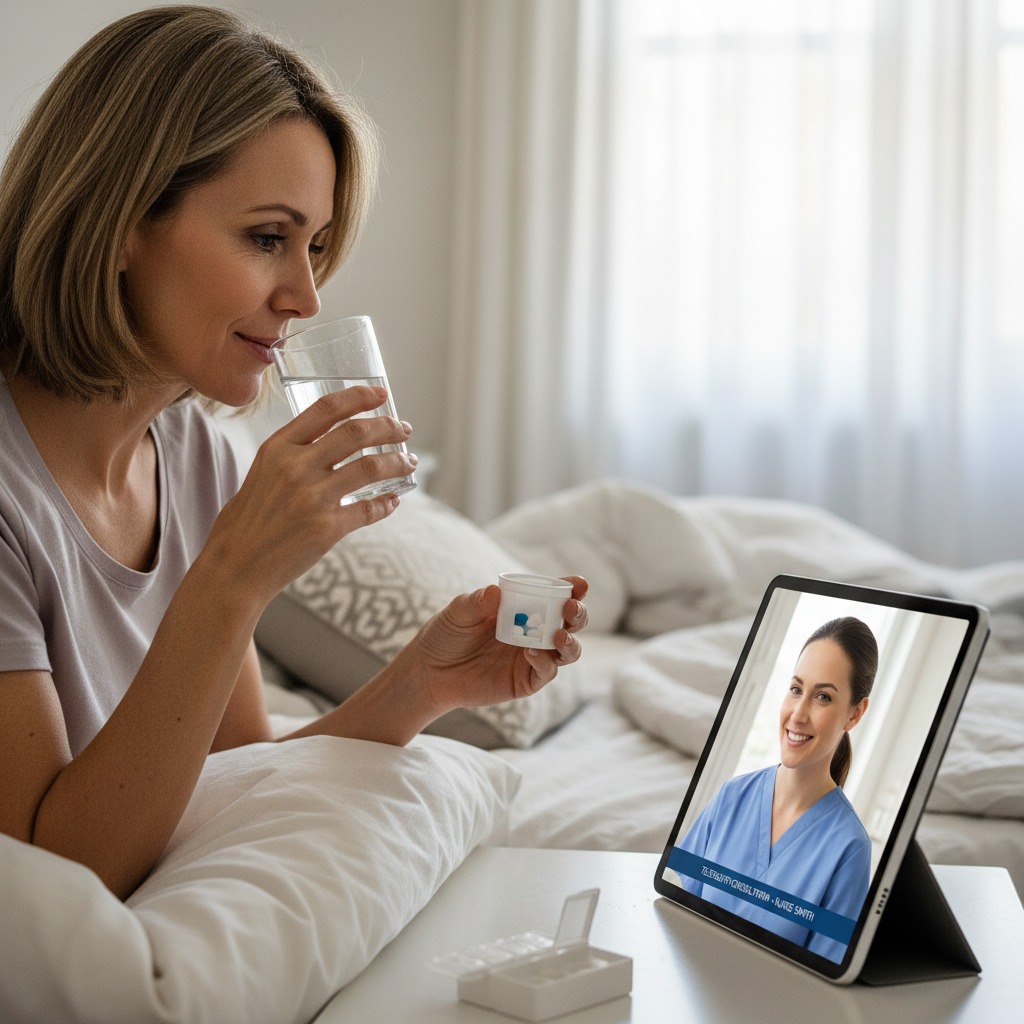
Remote Patient Monitoring, or RPM, is a healthcare delivery model that allows providers to collect and receive patients’ physiological health data remotely, including while patients are at home.
An effective RPM program requires three core components:
- Connected Medical Devices
Patients need connected medical devices that can measure and securely transmit health data, such as blood pressure, blood glucose levels, weight, heart rate, or oxygen saturation. - A Remote Patient Care Platform
Healthcare providers need a secure, HIPAA-compliant, cloud-based platform to collect, organize, analyze, and prioritize incoming patient data. - Clinical Monitoring Service
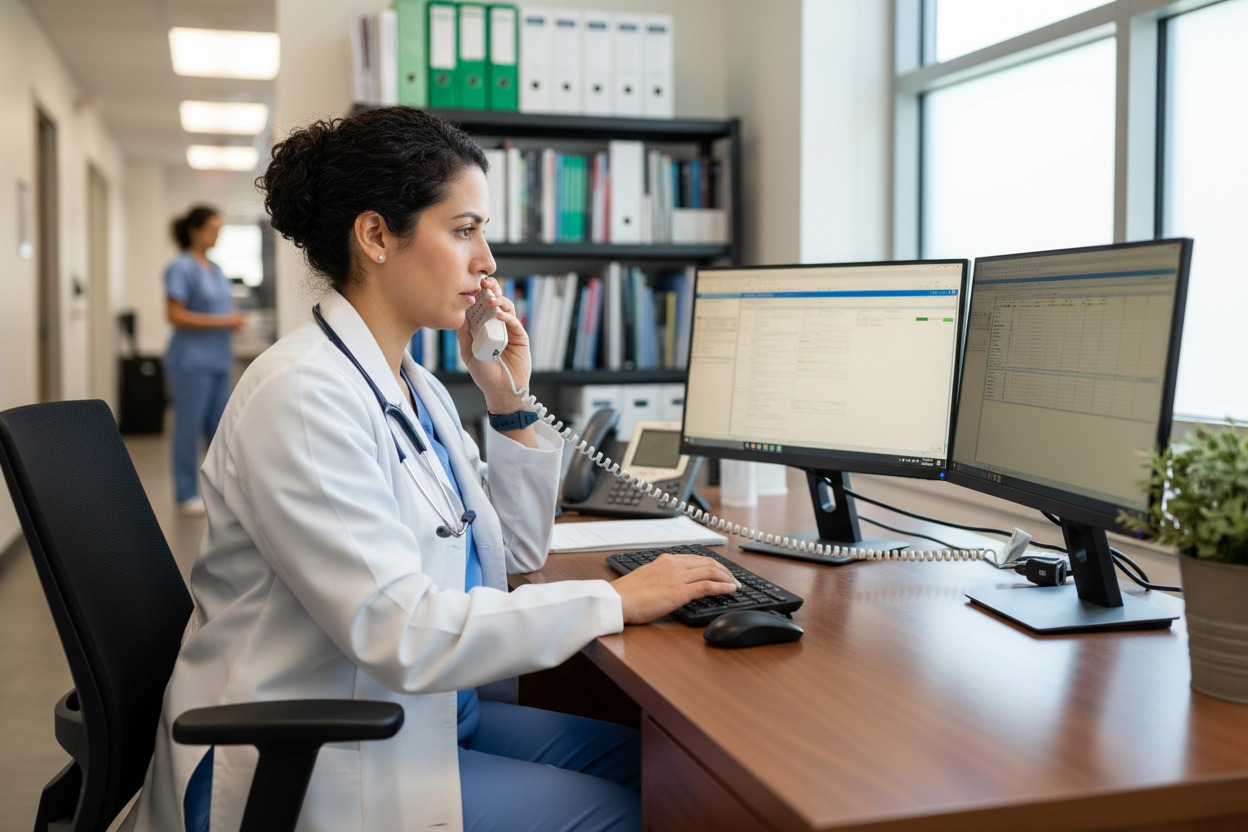
A clinical team is needed to review incoming data, communicate with patients, document care activities, and respond when readings fall outside established parameters.
Main RPM Pricing Models
- Software-only model:
The provider pays a per-patient software fee but remains responsible for devices, patient onboarding, clinical staffing, monitoring, and billing. - Turnkey model:
The vendor supplies the technology, devices, distribution, patient support, and clinical monitoring. The monthly cost is usually higher, but upfront costs and internal staffing requirements may be lower.
Typical RPM Costs
| Cost Component | Estimated Cost |
|---|---|
| Platform Setup and EHR integration | Starting around $950 one-time |
| RPM device or hardware | Up to $150 per device |
| Software licensing | Up to $35 per patient per month |
| Clinical monitoring | Varies by staffing model and RPM services provided |
Core Value Proposition
An RPM program is not simply a software expense. The complete economic model includes hardware, connectivity, clinical labor, patient enrollment, technical support, logistics, documentation, and billing compliance. A turnkey vendor may cost more per enrolled patient but can reduce the provider’s upfront investment, administrative burden, and internal staffing needs.